★ Featured
CultureMarch 29, 2026·3 min read
Will things settle by themselves?
In uncertain times, decisions don't wait. The myth that things settle on their own after restructuring or rapid growth is a costly illusion.
Read article
Articles, guides and resources for leaders and managers who want to transform their organization's performance.
In uncertain times, decisions don't wait. The myth that things settle on their own after restructuring or rapid growth is a costly illusion.
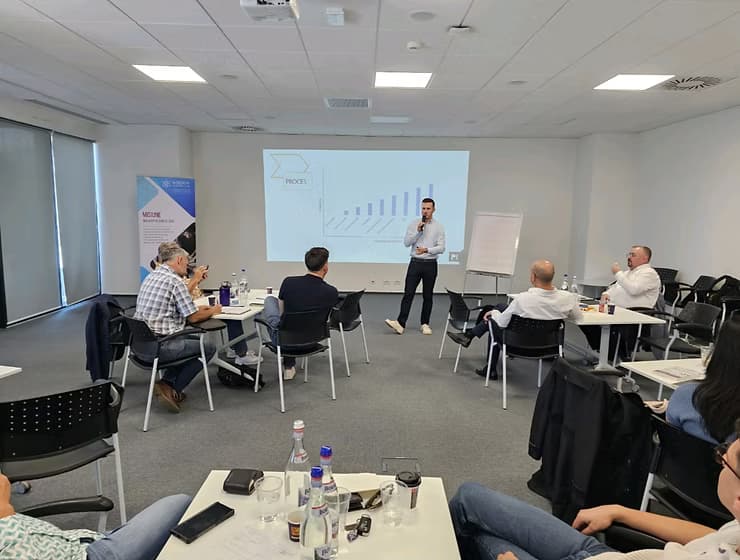
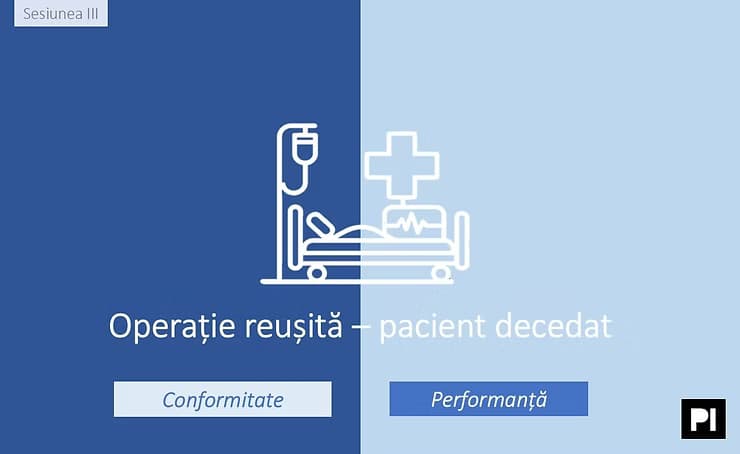
Many organizations measure compliance thinking they measure performance. The difference between "how it should be done" and "what should be achieved" is what matters.
You can't grow a company by cherry-picking corporate practices. Without the supporting structure, they remain empty labels.
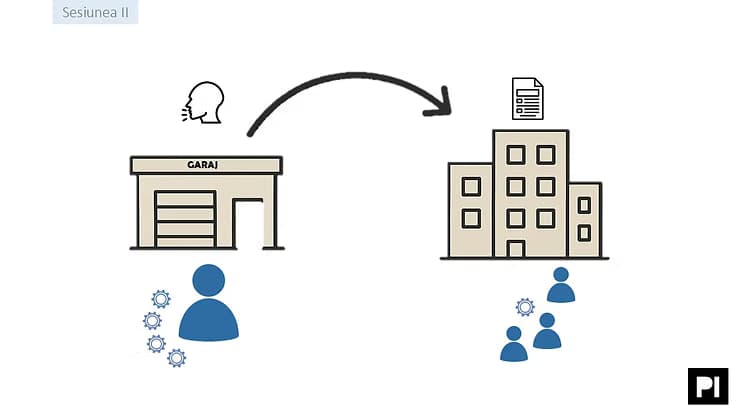
In small companies processes follow people; in big ones people follow processes. The transition requires a full rewrite of the operational frame.
Concrete results from a 5S implementation in a warehouse area: +20% space, -40% processing time, and a team that adopted change naturally.
Real change starts with respect for what exists, not contempt. "Everything must change" is not transformation, it's arrogance.
Beautiful processes drawn without the people in the field remain inefficient. Real standardization starts from operational reality.
Automation on top of chaos doesn't fix chaos, it amplifies it. AI and robots need solid foundations, not just enthusiasm.

Oscillating performance isn't proof of seasonality, it's proof of misalignment between leadership and current conditions.
Procedures bring control and consistency, but over-regulation turns them into barriers that consume resources.
Expectations are vague; requirements are concrete and measurable. Teams respond to clarity, not ambiguity.
Real agility comes from clear structures and processes. Without them, what looks like agility is just unsustainable chaos.
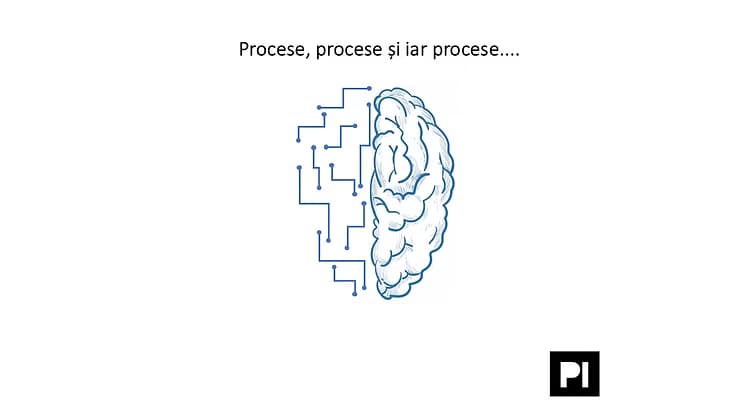
The goal isn't to have procedures, but processes controlled through procedures. The difference seems subtle but separates healthy scaling from bureaucracy.
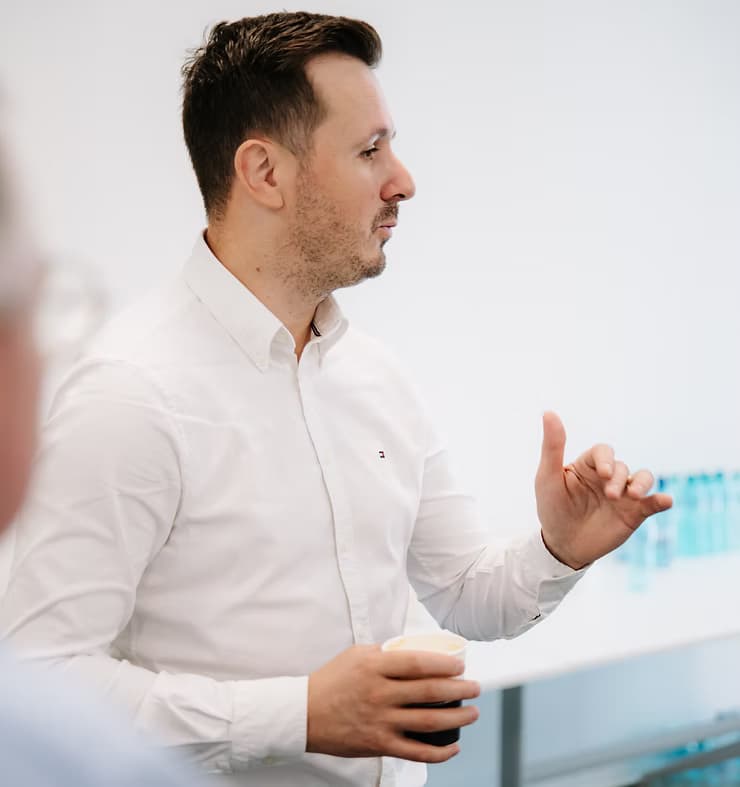
A healthy people-oriented culture puts the person at the center but not at the expense of business direction and collective interest.
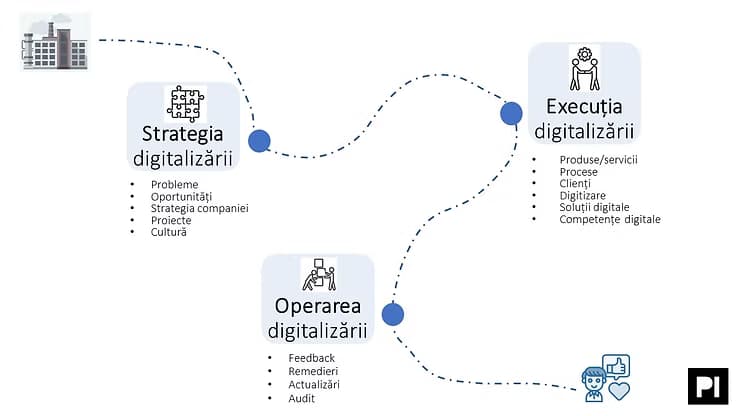
Every corner of an organization can benefit from digital transformation. Success comes from smart choices: what, how, and when to digitalize.
Problems pull us "inside the box" and we miss opportunities. Structure, systems and processes bring agility and visibility.
Without clear roles, solid processes, accurate data and relevant indicators, performance systems become destructive, not constructive.
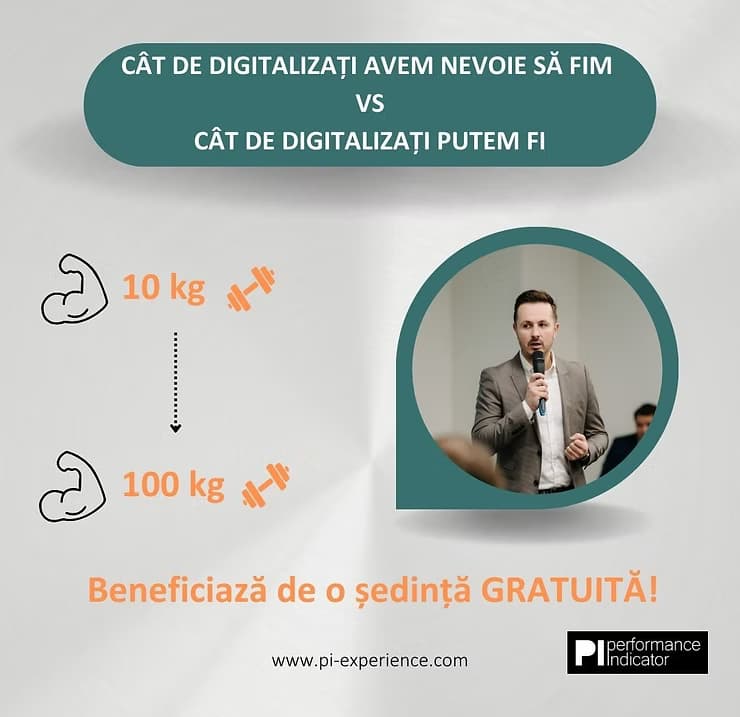
At the gym, we don't jump from 10kg to 100kg dumbbells. With digitalization it's the same: the right choice follows the current stage.
The daily battery drains in emails, ops meetings, unexpected urgencies and fixes. What recharges it? Innovation, learning, networking.
Traian Bucur publishes in Mobila Magazine an article on digitalization, performance management and operational excellence in the furniture industry.
Digital transformation is a marathon, not a sprint. Small but decisive steps, just like in personal life.
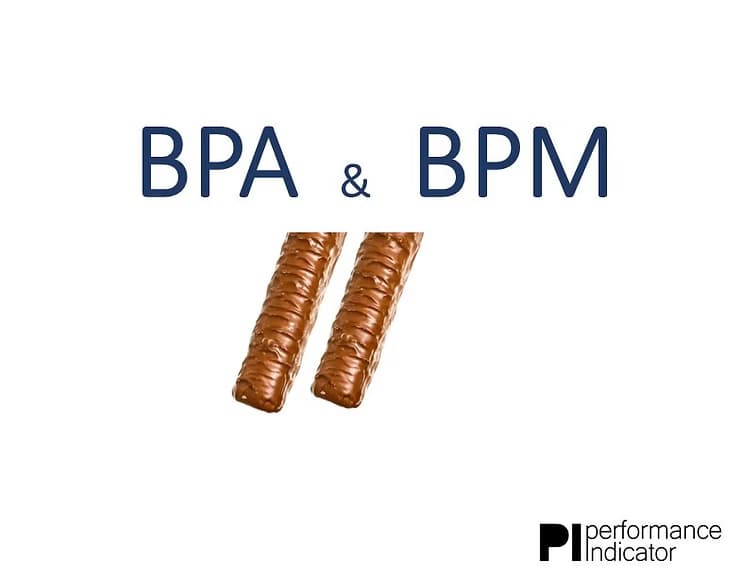
BPM addresses "what needs to be done and how". BPA addresses "how the work ecosystem looks". Two different things, both needed.
Many organizations skip an essential step: process design. The result - systems that don't reflect operational reality.
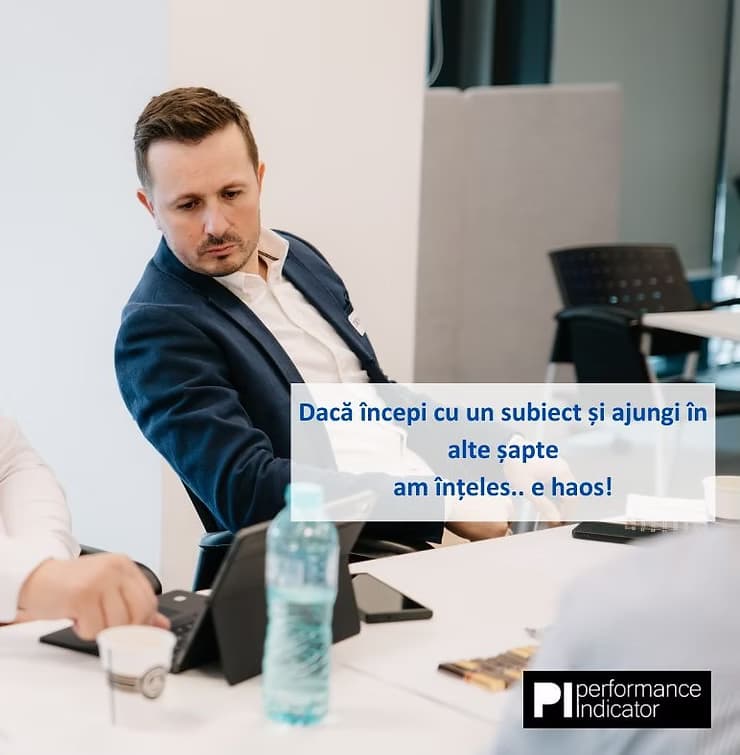
Finger-pointing at people, managers dominating the discussion, excessive theorizing - the factors that bury problem-solving.
There's a difference. If the project isn't framed correctly, it risks not getting approval, not starting, or failing in implementation.
Responsibility is built through leadership, clear frames, support via feedback and coaching, recognition and advancement.
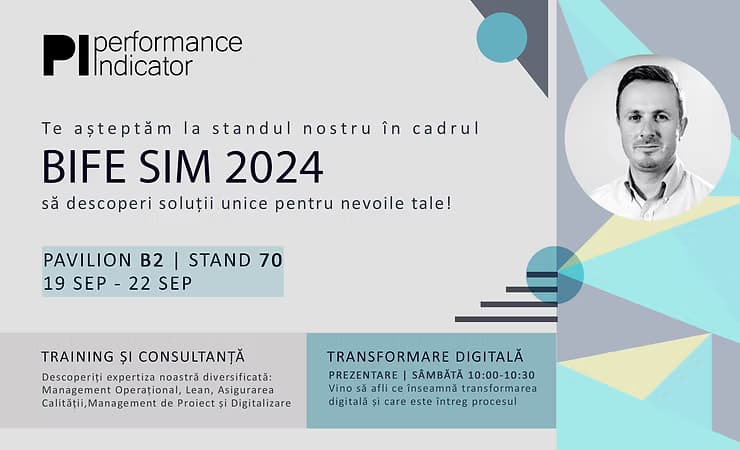
Performance Indicator participates at BIFE-SIM 2024 with a booth dedicated to operational excellence consulting for the furniture industry.
Bad communication isn't the cause, it's the symptom. The real problem comes from unclear roles and responsibilities.
Four questions for real onboarding: What do I wish? What do I want? What can I? What do I do? Will is the locomotive.
We can accumulate leadership knowledge endlessly, but without discipline we achieve nothing. Discipline is individual, it's not shared.
Operator "white collar" vs "blue collar". A coffee, an invitation, and a lesson about mutual respect and complementarity.
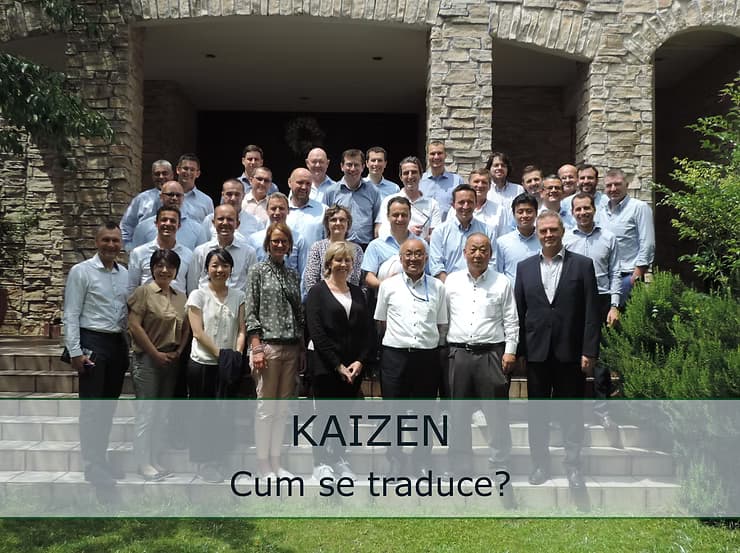
Kai-Zen means change for the better. It's a lean philosophy, not a methodology. It targets optimizations in already-working processes.
Absence of decision, delayed decisions, parallel decisions. The behaviors that block or accelerate business.
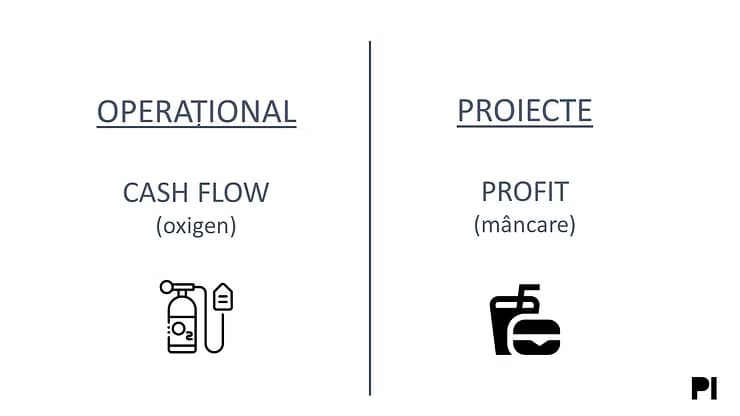
Operational work and projects are both essential. Operational has priority, projects come second.
A lean method that brings management and operators systematically to the operations location. Not micromanagement, not audit - first-hand reality.
Reactive tasks are the ones that catch up with us. Proactive ones - the ones that bring improvements. Imbalance demotivates and lowers productivity.
Job ad, job description, competency matrix, training plan - the chain that turns people into professionals.
70% of digitalization projects fail, and a major cause is the lack of leadership capabilities specific to these initiatives.
The Eisenhower Matrix is known, but prioritization fails due to organizational process issues, not knowledge.
Do you check your own shoelaces, or wait for someone else? The lesson of an unconventional meeting about individual responsibility.
Networking is based on belief in the value of human relationships. Even refusing a simple "Good morning!" is a contribution - a negative one.
The person shapes the place. Real leadership means trust, recognizing the transition moment and collective participation.
Driving, expenses, business processes - we want steps permanently controlled. Uncontrolled = results we accept by force.
Operational management ≠ operations. It's like rush hour traffic: juggling problems from operations, suppliers and customers.
Lessons from CI projects in small, medium and large organizations, including Toyota, Isuzu, Rolls-Royce. Without top management, no results.
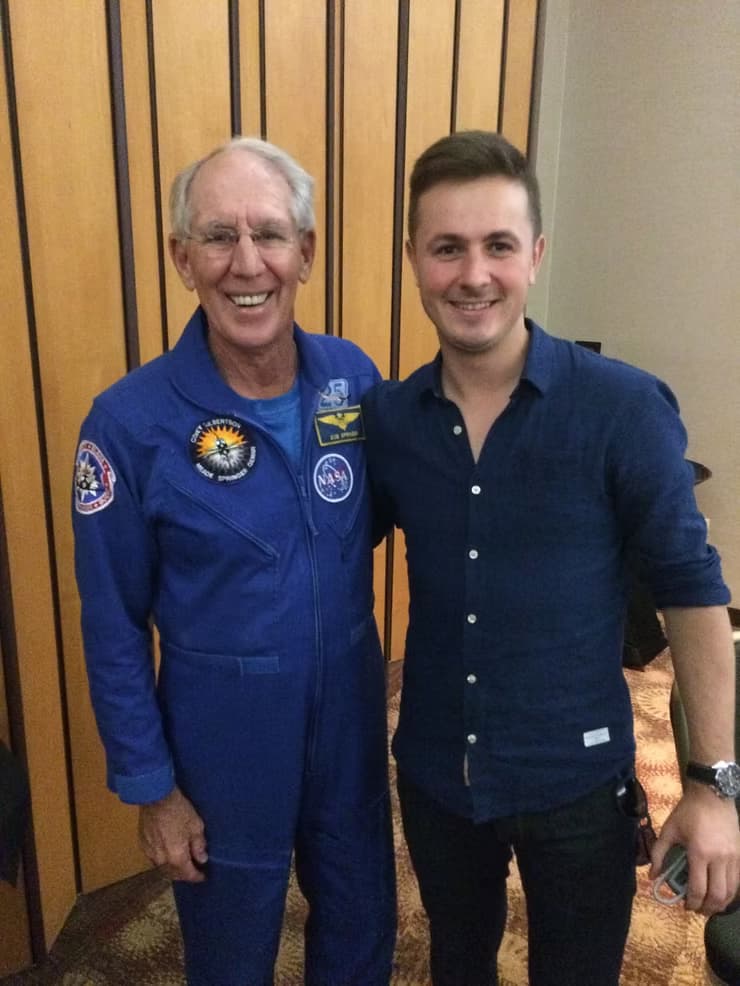
Ten years ago, at NASA Houston, I learned that talking and communicating are two different things.
Verbal procedures, abandoned written procedures, effective written procedures. Three forms - only one produces value.
Micromanagement is a natural stage in the specialist-to-manager transition. Not a permanent flaw - a step in a journey.
Seven digitalization projects in four years, from 1 million to 100+ million euro revenue. First lesson: know the process in detail.
Performance indicators show how the business works and help identify weak and strong points. With strategy and clear steps.
Establishing relevant indicators, systematic data collection, analysis and interpretation - the fundamentals of performance measurement.
Process analysis, appropriate tech solutions and investment in people - the three directions that keep operational performance high.
We offer a free online session to assess your needs and propose the best solutions.